For many buyers, the word “modular” still brings outdated assumptions.
People picture temporary structures, generic layouts, or something fundamentally different from a traditionally built home.
But modular is not a type of home. It is a method of construction.
At Verse, modular construction is used because it creates a more precise, controlled, and efficient way to build modern housing at a time when the traditional construction industry is facing real challenges: labor shortages, rising costs, material waste, and unpredictable timelines.
The result is not a compromise on design or quality. In many cases, it is the opposite.
A Different Way to Build
Traditional construction happens entirely outdoors, exposed to weather, scheduling delays, and multiple subcontractors working sequentially over long timelines.
Precision-built modular construction changes that process.
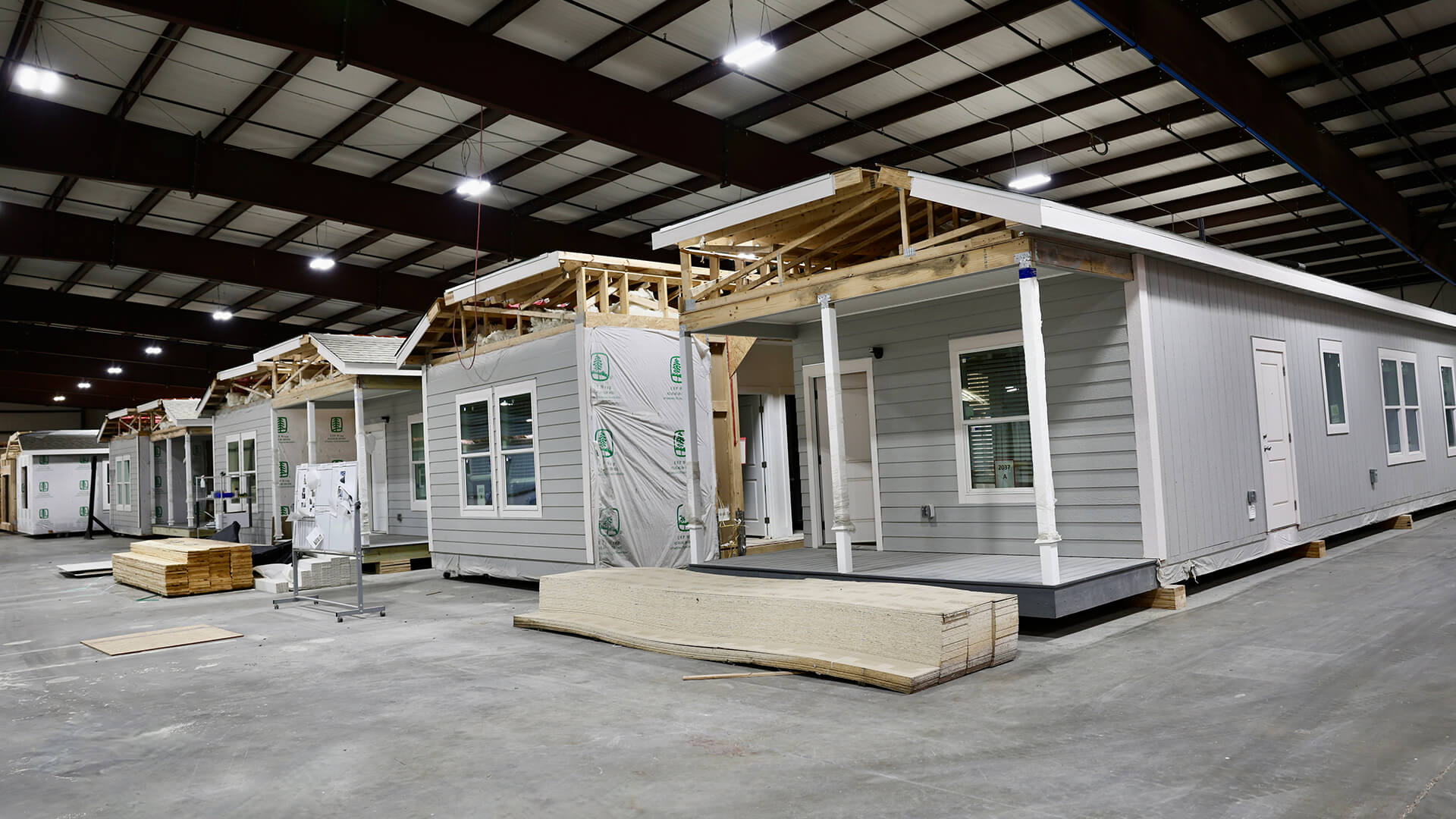
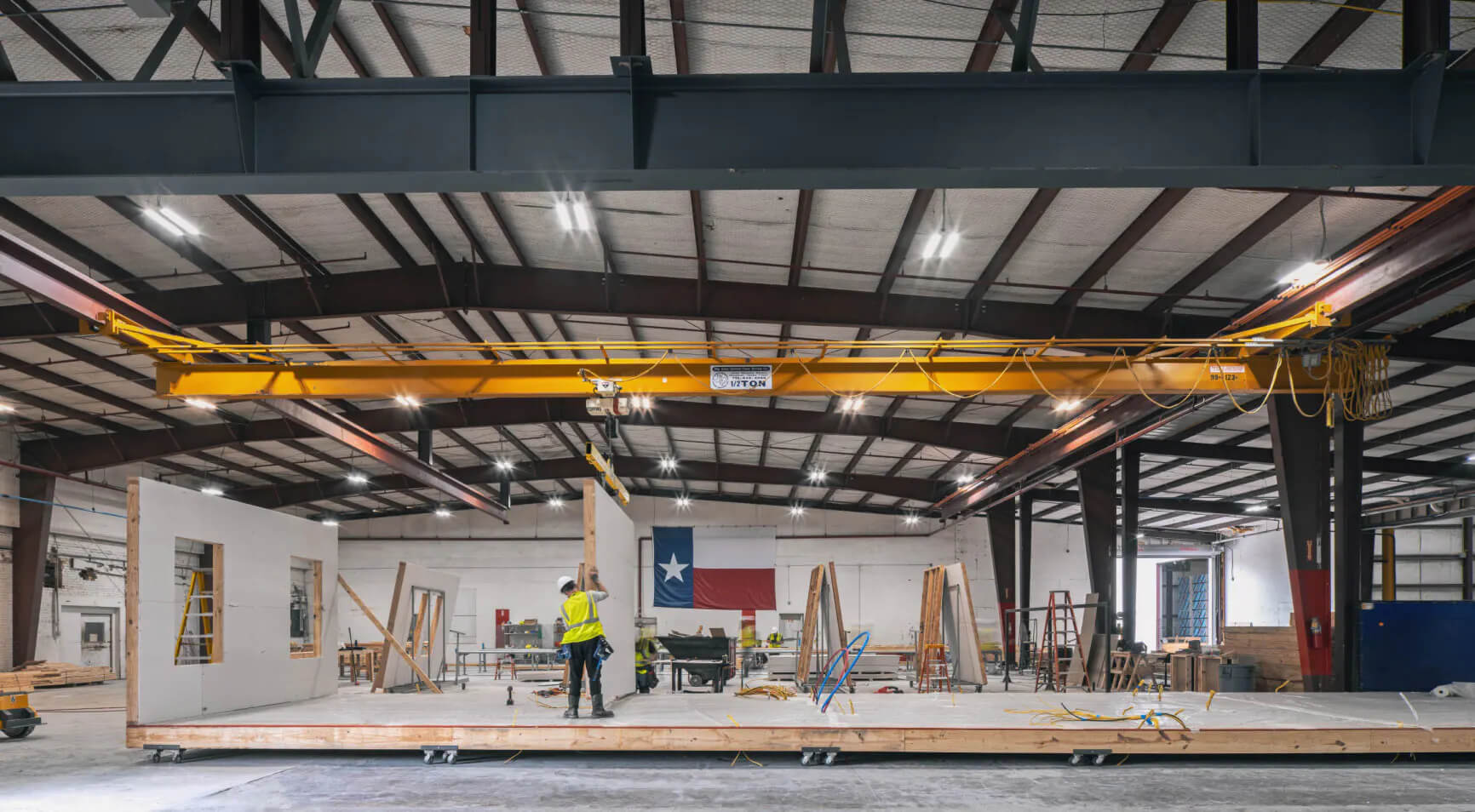
Verse homes are fabricated in controlled indoor environments while site work happens simultaneously. Once complete, the modules are transported to the homesite and installed on a permanent foundation.
This parallel approach helps reduce delays and creates greater consistency throughout the build process.
Built for Strength & Durability
One of the biggest misconceptions about modular housing is that it is somehow less durable than traditional construction.
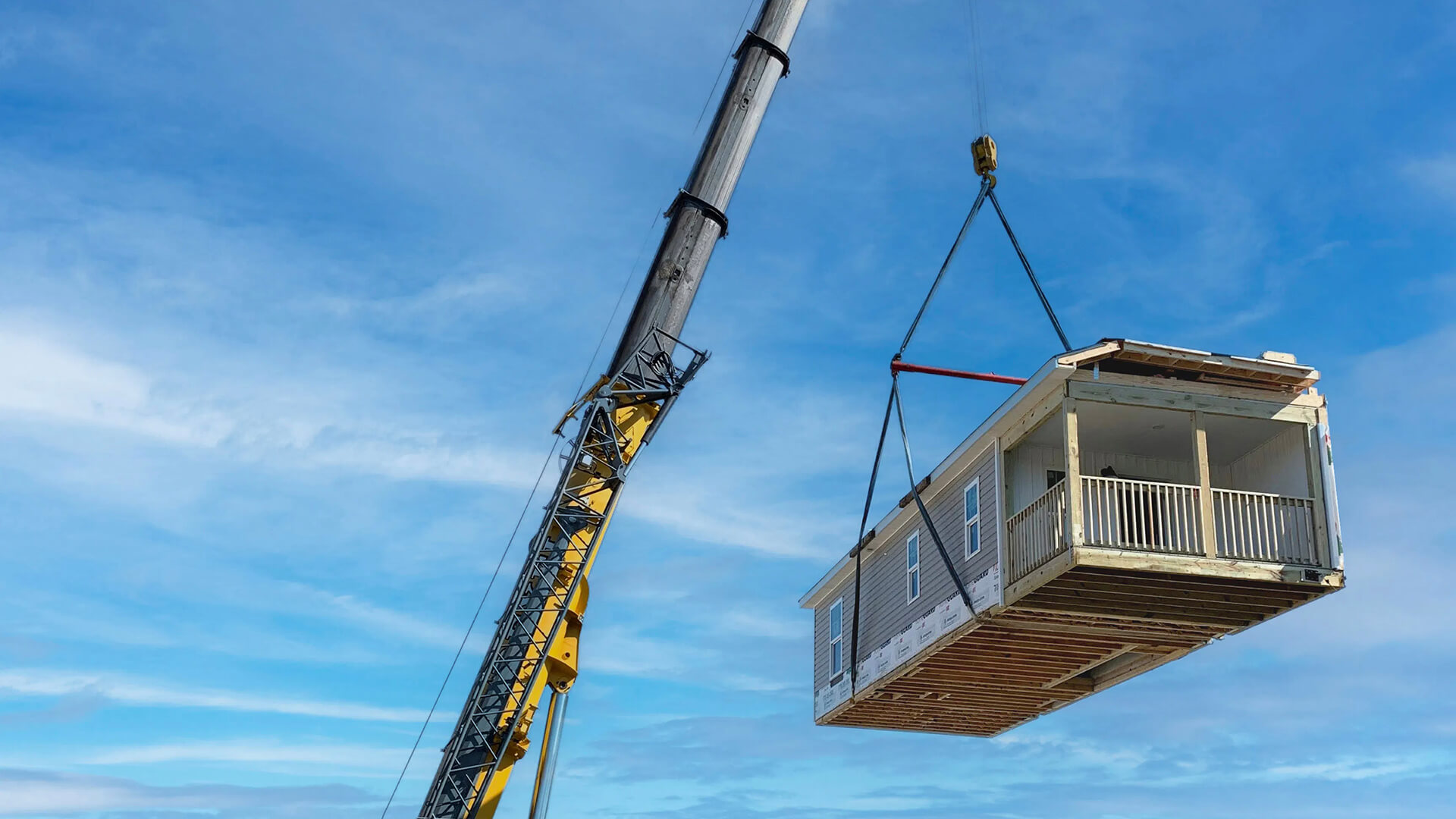
In reality, modular homes often require additional structural engineering because they must withstand transportation and crane installation before becoming permanent residences.
That means modules are engineered to endure movement, lifting, and placement while maintaining structural integrity.
Many precision-built homes incorporate enhanced fastening systems, reinforced framing connections, and additional structural support throughout the build.
Controlled Environments Create Consistency
Traditional construction sites are exposed to rain, humidity, temperature swings, and material storage challenges throughout the building process.
Precision-built housing shifts much of that work indoors.
Controlled fabrication environments help protect materials during assembly and allow teams to work with greater consistency across every phase of production.
For buyers, that translates into a more predictable process and a more refined final product.
Modern Design Without the Traditional Timeline
Modular construction is often misunderstood as a limitation on architecture or design flexibility.
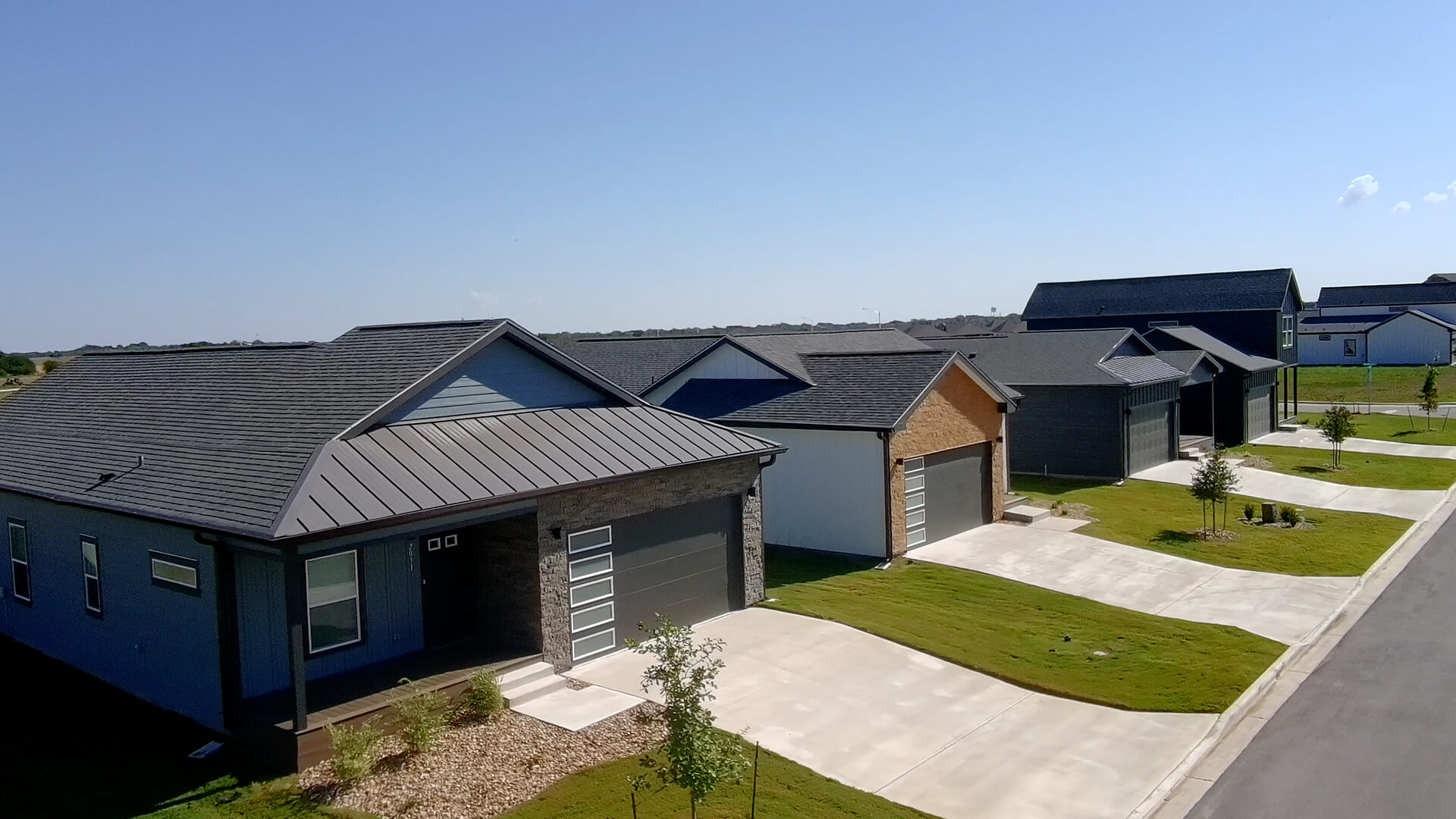
But today’s precision-built housing can deliver sophisticated modern architecture, efficient layouts, elevated finishes, and highly functional living spaces.
At Verse, the focus is not simply speed. It is creating well-designed homes through a more intelligent building process.
The goal is to rethink how housing can be delivered without sacrificing the experience of homeownership.
The Industry Is Changing
The broader housing industry is already moving toward new construction methods out of necessity.
Labor shortages continue to affect traditional building timelines. Material efficiency matters more than ever. Buyers increasingly expect better transparency, better timelines, and better predictability.
Precision-built construction addresses many of those challenges directly.
Modular is not a shortcut.
It is an evolution in how homes are built.
And for many buyers, it may become the future of housing itself.